
 Written by Daniel Okafor
The U.S. Securities and Exchange Commission faces increasing calls to convert its informal DeFi guidance into formal rules, as industry participants and a commissioner push for regulatory clarity in the decentralized finance sector.
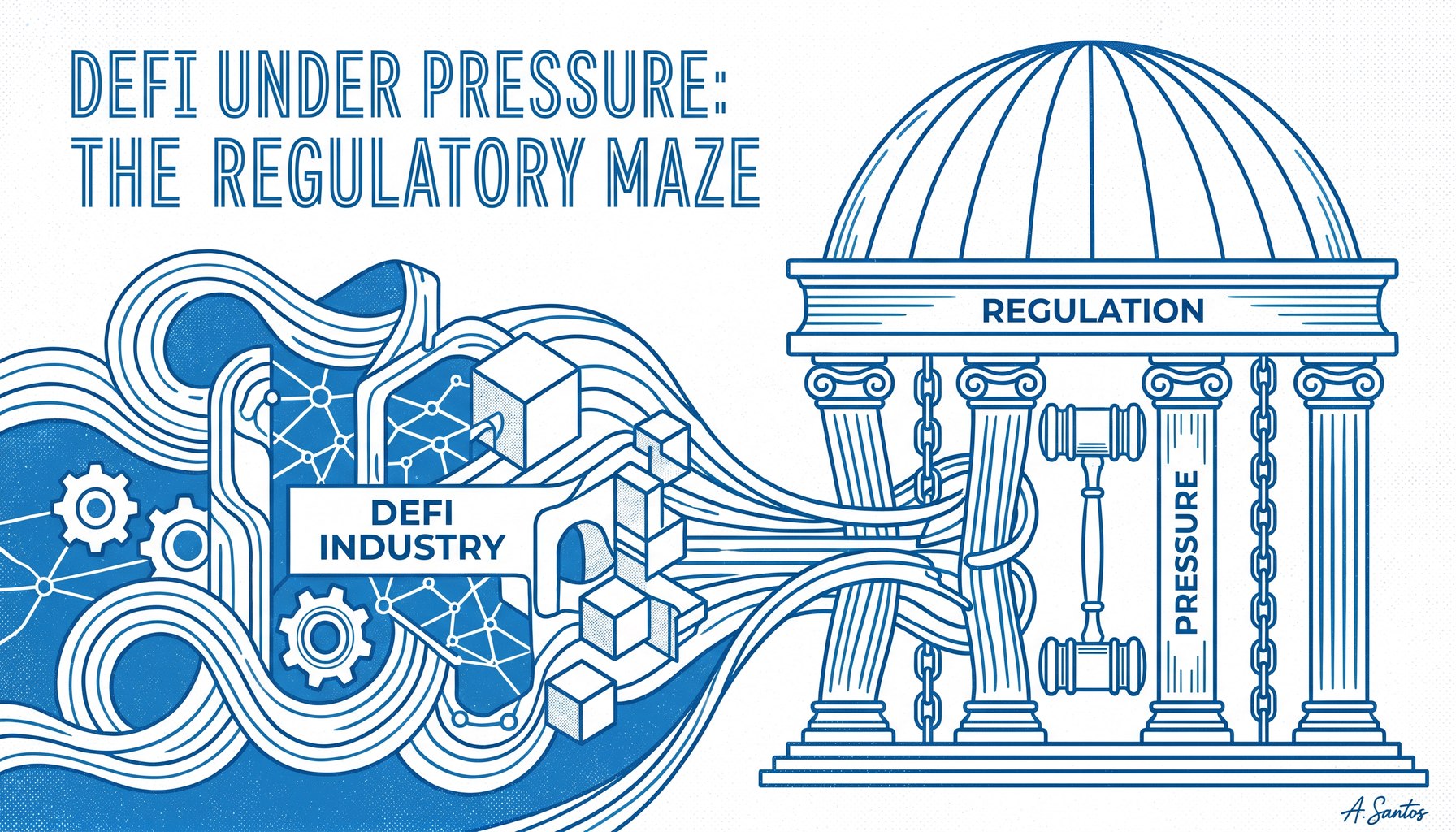
The U.S. Securities and Exchange Commission (SEC) is facing mounting pressure from both industry stakeholders and its own commissioners to formalize its guidance on decentralized finance (DeFi) into clear, actionable rules. This push for regulatory clarity comes as the DeFi sector continues to evolve rapidly, presenting new challenges and opportunities that existing securities laws may not adequately address.
Commissioner Hester Peirce, a vocal advocate for innovation in the digital asset space, has publicly backed the call for rulemaking. Her stance aligns with a growing sentiment within the crypto industry that informal guidance, while providing some direction, falls short of the comprehensive regulatory framework needed for DeFi to mature and integrate more fully into the broader financial system.
The core of the debate revolves around how DeFi protocols and assets should be classified under existing securities laws. The lack of formal rules creates uncertainty for developers, investors, and users, potentially hindering innovation and exposing participants to unforeseen legal risks. Industry participants argue that clear regulations would not only foster responsible growth but also provide a level playing field and enhance investor protection.
Historically, the SEC has often relied on enforcement actions to signal its regulatory approach to emerging technologies. However, many in the DeFi community believe this reactive strategy is ill-suited for a rapidly innovating sector like decentralized finance. They contend that a proactive rulemaking process would allow for a more collaborative approach, enabling the SEC to develop tailored regulations that understand the unique characteristics of DeFi while still upholding its mandate to protect investors and maintain fair, orderly, and efficient markets. The implications of formalizing DeFi guidance are significant. Clear rules could unlock new avenues for institutional participation, reduce regulatory arbitrage, and potentially lead to the development of more robust and compliant DeFi products and services.
Conversely, a continued reliance on ambiguous guidance could perpetuate uncertainty, drive innovation offshore, and limit the potential of decentralized finance to contribute to financial inclusion and efficiency. This regulatory uncertainty creates a challenging environment for startups and established financial institutions alike, making it difficult to plan long-term strategies and allocate resources effectively. The lack of clear boundaries also exposes investors to greater risks, as the legal status of various DeFi offerings remains in a gray area, potentially leading to costly legal battles and market instability.\n\nAs the digital asset landscape continues its rapid transformation, the pressure on the SEC to provide definitive regulatory clarity for DeFi is unlikely to subside. The outcome of this debate will undoubtedly shape the future trajectory of decentralized finance in the United States and potentially influence global regulatory approaches. A proactive and collaborative approach, involving input from both regulators and industry experts, is essential to developing a regulatory framework that fosters innovation while safeguarding market integrity and investor protection. Without such a framework, the full potential of DeFi to revolutionize financial services may remain untapped, and the U.S. risks falling behind other jurisdictions that are moving more decisively to embrace and regulate this emerging technology.
Offer Your Reading of What Comes Next. Submit your KOL post today